




Neuro-inclusion at work: how office design can make a difference
06/10/2026
More and more organisations are focusing on inclusion and well-being. But one often overlooked factor is the physical working environment. How do you design an office that takes into account different ways of thinking, working and processing sensory input? Discover how a neuro-inclusive workplace can not only improve well-being, but also strengthen your employees’ focus and productivity.
Why does your office drain some employees’ energy every day without you realising it?
Organisations invest heavily in attracting and retaining talent. But what if some of that talent is losing energy every day because of the way the workplace is designed?
For many employees, the office is not a neutral environment. On the contrary, it’s a place full of sensory input – noise, movement and visual clutter – that constantly demands their attention.
And that is where the problem lies. What feels inspiring and dynamic to one employee can feel overwhelming and exhausting to another.
Neuro-inclusion is therefore not simply an HR issue. It’s a strategic design question. After all, the way your office is designed has a direct impact on how people think, focus and perform.
What is neurodiversity?
Neurodiversity is based on the idea that differences in how the human brain works are a normal and valuable part of human diversity. People process information, communicate and respond to their surroundings in different ways.
Neurodiversity often includes profiles such as ADHD, autism and dyslexia. Giftedness is also sometimes considered part of neurodiversity. Estimates suggest that 15 to 20% of the population is neurodivergent, although the figures vary depending on the definition used.
More important than the exact figures is the understanding that different needs are the norm, not the exception. A neuro-inclusive workplace therefore does not try to make everyone function in the same way. Instead, it provides space for different ways of working.
Neurodivergent employees are not a homogeneous group either. What supports one person may be less suitable for another. That’s why neuro-inclusion is not about one fixed solution, but about choice and flexibility.
Why the physical working environment is so important
When it comes to inclusion, the focus is often on culture, policy and leadership. Rightly so, but the physical working environment also plays an important role in how employees function from day to day.
Office design affects how much sensory input people experience and how easily they can concentrate. Open-plan offices are a good example. They are designed to encourage collaboration and spontaneous interaction, but they also bring constant sensory input: conversations, movement, visual distractions and notifications. Without careful design, this can lead to loss of concentration, mental fatigue and stress. What gives one employee energy may drain another.
A neuro-inclusive workplace recognises these differences and translates them into smart design choices.
What makes an office neuro-inclusive?
A neuro-inclusive working environment is not about creating one ideal workspace, but about creating an environment in which people can choose how they work. This freedom of choice allows employees to work in a way that better suits the task at hand, their energy levels and personal preferences.
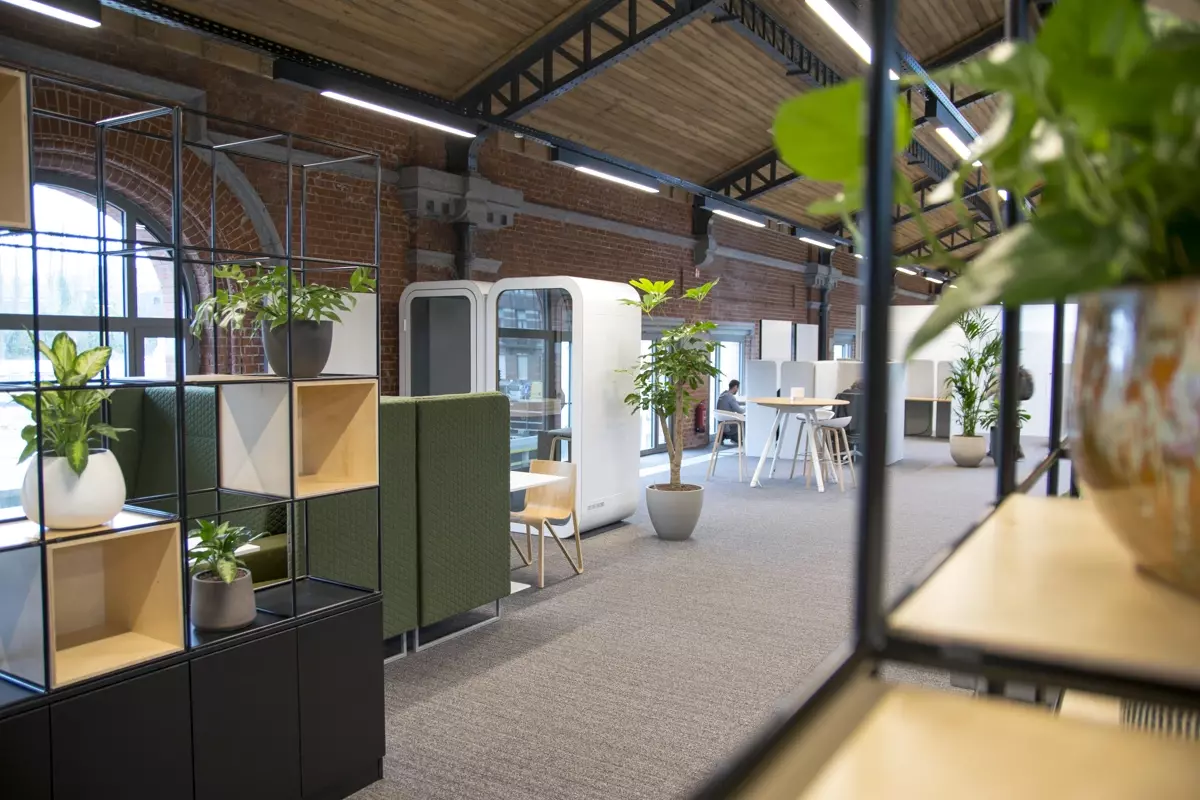
It starts with a variety of workspaces. Instead of having just one type of office space, a well-designed working environment consists of different zones. Open workspaces support collaboration and interaction, while quiet rooms and enclosed focus areas provide calm and concentration. Informal zones encourage spontaneous encounters, while smaller rooms offer privacy for discussions or individual work.
It’s important to note that flexibility does not mean everything has to change constantly. For some employees, having a fixed workstation is essential for creating structure and predictability. Neuro-inclusion takes both needs into account.
Activity-based working determines which space is most suitable for a particular task. Neuro-inclusion ensures that the person can also make the best possible use of that workspace.
Fewer distractions, greater focus
When people think of a productive workplace, technology and ergonomics often come to mind first. But the greatest gains often come from reducing disruptive sensory input.
Noise is the most obvious example. Conversations, phone calls and background noise can make it difficult to concentrate deeply. Good acoustic design reduces disruptive noise without making interaction impossible.
Visual distractions also play a role. A cluttered or chaotic environment constantly demands attention and increases mental strain. A calm, well-organised design helps employees focus more quickly. Clearly defined zones, a carefully considered layout and a balanced choice of materials and colours can make all the difference.
Lighting is a third important factor. Daylight, comfortable light levels and the option to adjust lighting to suit the activity all contribute to comfort and concentration. Here too, needs can vary, which makes flexibility essential.
Space for both calm and interaction
Not everyone draws energy from the same things. Some employees thrive in a dynamic environment, while others need moments of calm.
By deliberately providing spaces where employees can withdraw – such as quiet areas, focus pods or peaceful lounges – you can create a better balance within the working environment. These spaces are not a luxury, but an essential part of a well-functioning office.
A clear and well-organised layout also helps create a sense of mental calm. When employees intuitively understand where they can carry out particular tasks, there is less confusion and mental strain. A logical layout, clearly recognisable zones and effective signage all help to achieve this.
A workplace that works for different people
No two employees are the same. So why should their needs in the workplace be?
A future-focused office is no longer a one-size-fits-all environment. It’s a flexible, people-centred workplace where employees can choose how they work and are genuinely able to work well.
Neuro-inclusive office design is not about creating separate solutions for specific groups, but about designing better workplaces for everyone.
From insight to impact
At Pami, we believe that the working environment should adapt to people, not the other way round. By translating insights into activities, teams and individual needs into carefully considered workplace concepts, we create environments that support employee well-being, collaboration and performance.
Interested in finding out how your office can be tailored to the different needs within your organisation? We would be happy to help you create a working environment that supports focus, collaboration and well-being.